
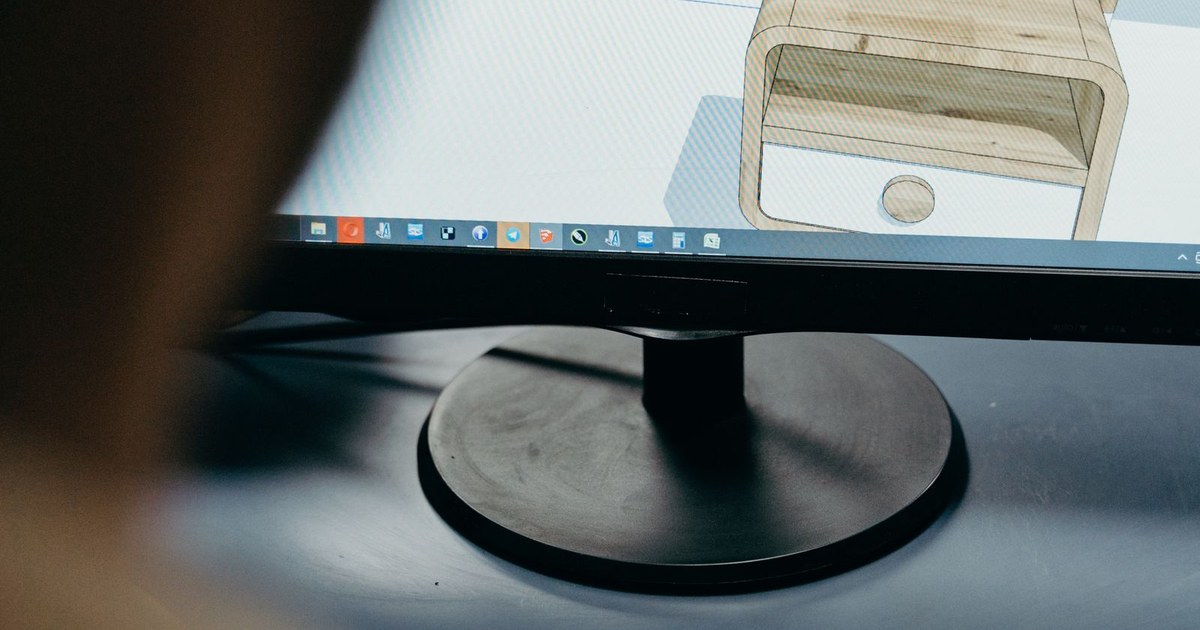
Fitting out a Kochi apartment while living in the Gulf used to mean trusting somebody entirely. It no longer does. Virtual interior design services have matured to the point where layout, materials, joinery details and lighting can all be settled properly from abroad, with only a small number of decisions genuinely requiring your physical presence. This guide explains how the process works, what it costs, and the two or three points where remote working still has real limits.
Key Takeaways
- Layout, joinery design, lighting and the majority of material decisions can be settled remotely with three dimensional models and a structured approval process.
- Colour and texture are the genuine limits. Insist on a physical sample box couriered to you rather than approving finishes from a screen.
- Agree the approval workflow and revision allowance in writing, because ambiguity costs far more on a remote project than a local one.
What Can Genuinely Be Done Remotely
More than most people expect. The technical content of interior design translates well to remote working, because it is fundamentally about dimensions, sequences and specifications rather than about being physically present in an empty room.
A measured survey by the designer produces accurate drawings. Layout options can be discussed over a shared screen. Joinery can be designed, detailed and approved from elevations and three dimensional views. Lighting circuits, switch positions and electrical points can all be fixed on a drawing. Appliance selection, hardware specification and even the fine detail of shutter profiles are entirely manageable at distance.
The workflow that makes it work is unglamorous. A single shared folder holding every current drawing, a numbered revision system so nobody works from a superseded version, and scheduled calls rather than ad hoc messaging. Projects that run on informal messaging drift, because decisions get buried in chat history and nobody can establish afterwards what was actually agreed. Insist on the boring version.
Where Remote Working Has Real Limits
Being honest about the limits is what makes the rest of the process trustworthy. Two categories of decision genuinely suffer at distance, and pretending otherwise is how remote projects end in disappointment at handover.
Colour and texture are the first. Screens misrepresent both, and the same laminate looks warm on one monitor and grey on another. Kochi light compounds this, alternating between hard sun and heavy overcast, and neither condition is reproduced by a render. The second is scale perception in small rooms. A render can tell you a corridor is a metre wide, but it cannot make you feel that it is narrow.
The solution to the first is straightforward. Ask for a physical sample box couriered to you containing every finish in the scheme, and look at them together in daylight rather than one at a time on a desk. The solution to the second is to check dimensions against a room you already know. Measure a corridor in your current home, compare the number, and you will immediately understand the proposal.
Kochi light itself is worth understanding when judging finishes remotely. The city alternates between very bright direct sun and heavy overcast during the monsoon, and a surface reads quite differently under each. Conditions published by the India Meteorological Department show how much of the year falls into each category. Ask for photographs of your samples taken in the actual apartment at different times of day rather than judging them under your own lighting abroad.
The Sample Box and How to Use It
The single practice that most improves remote interior outcomes is a properly assembled sample box. It costs very little to courier and it converts the most unreliable part of the process into the most reliable one.
The box should contain the actual specified products rather than similar ones. Laminate and veneer chips, tile samples, a section of the countertop material, hardware samples you can operate, paint swatches at a usable size, and fabric where relevant. Ask for pieces large enough to judge, because a small chip of laminate reads quite differently from a full shutter.
Lay everything out together in daylight, then again under artificial light in the evening. Combinations that work individually often fail together, and this is the only way to catch it before fabrication. Photograph your approved combination and send it back so both sides hold the same record. This half hour prevents the most common and most expensive complaint on remote interior projects, which is that the finished room does not look like the render.
- Request actual specified products, not equivalents.
- Ask for pieces large enough to judge properly.
- Review all finishes together, in daylight and at night.
- Photograph and confirm the approved combination in writing.
Approvals, Revisions and Keeping Control
A remote client has less ability to correct course informally, so the formal process has to be tighter. Agreeing how approvals and revisions work at the outset prevents the slow drift that turns a well designed scheme into a compromised one.
Agree how many revision rounds are included at each stage and what happens beyond that. Establish that no item goes to fabrication without a written approval referencing a specific drawing revision. Require a short weekly summary of what was agreed, so decisions are recorded in one place rather than scattered. None of this is bureaucratic, and all of it saves time once work is underway.
Set a decision deadline for yourself as well. Remote projects stall as often through client delay as through contractor delay, because a question asked at nine in the morning in Kochi arrives at an inconvenient hour in the Gulf and gets postponed. Committing to answer within a fixed window keeps the programme intact. Our home and office interior consultation runs to a documented approval schedule for this reason.
Build a small buffer into your programme for the courier cycle. Sending a sample box abroad and receiving a decision back adds a week or two to the schedule, and doing it twice adds a month. Assembling one comprehensive box rather than several partial ones is therefore worth the extra effort at the designer’s end. Ask for everything at once, including the finishes you have not yet thought about, so a single round settles the whole scheme.
Installation and Handover Without Being There
The final phase is where remote clients feel most exposed, because the work becomes physical and irreversible. A structured handover process closes that gap and gives you a genuine basis for accepting or rejecting the work.
Ask for a video walkthrough at installation stage, before final finishing, so anything wrong can be corrected while access is easy. Request a second walkthrough at completion covering every room, every joinery unit opened and closed, and every light switched. Ask for photographs of the areas nobody photographs, such as inside wardrobes, beneath the sink and behind appliances.
Agree a snagging process with a defined window. A written list, an agreed correction period and a retained payment released only on completion of that list. If you can travel for handover it is worth doing, but a disciplined remote handover with retention held is genuinely workable. Ask for a walkthrough recording to be retained as your record of the condition at handover.
Agree in advance what happens if you are dissatisfied at handover. A defined snagging window, a written list, an agreed correction period and retention held against it gives you a workable remedy without needing to travel. Without that structure, a remote client’s only leverage is to withhold payment informally, which sours the relationship and rarely produces a good repair. Put the process in the contract at appointment rather than negotiating it when you are already unhappy.
Conclusion
Virtual interior design services work well for Kochi homeowners abroad when the process is deliberately structured. Settle layout, joinery and lighting remotely with confidence, insist on a physical sample box for anything involving colour or texture, keep approvals formal and revision limits explicit, and hold retention until snagging is complete. Handled that way, distance stops being the problem it used to be. To start a remote interior project, get in touch with our team.