
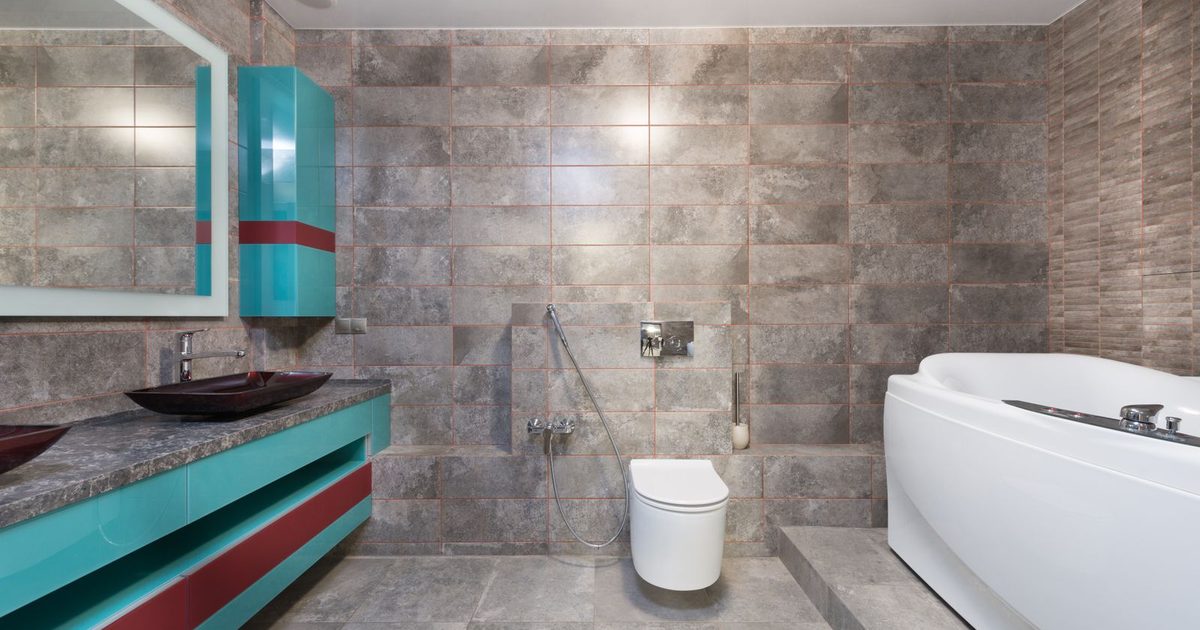
A bathroom is the smallest room in the house and the most expensive to get wrong. Everything else can be corrected in place, but a bathroom that leaks means lifting tiles, opening the slab and repairing the ceiling below. Good bathroom remodel contractors in Kochi spend most of their attention on things you will never see again once the tiling is done. This guide explains what should happen beneath the surface and why it matters more than the fittings.
Key Takeaways
- Waterproofing is a system, not a coating. It has to turn up the walls, seal every penetration and be water tested before tiling begins.
- Correct falls to the drain matter as much as the membrane. Water that does not leave the floor will eventually find another way out.
- A full bathroom remodel in Kochi commonly costs between Rs 90,000 and Rs 2.5 lakh depending on size, fittings and whether plumbing moves.
Waterproofing Is a System, Not a Product
Most bathroom failures are not membrane failures. They happen at junctions, penetrations and upstands where the system was never continuous in the first place. Understanding this changes what you ask your contractor and what you check before tiling starts.
A correct system covers the whole floor, turns up the walls by at least three hundred millimetres, and rises to full height in the shower zone. It seals around every pipe penetration, floor trap and drain outlet. Corners and wall to floor junctions receive reinforcing tape or fillet before the membrane is applied. Any point where the membrane stops is a point where water can enter the structure.
Insist on a flood test before tiling. The drain is plugged, the floor is filled to a shallow depth and left for twenty four hours, and the ceiling below is inspected. This takes a day and catches almost every defect while correction is still cheap. A contractor who resists a flood test is telling you they are not confident in their own work, and that is useful information at exactly the right moment.
Falls, Drainage and Where Water Actually Goes
A perfectly waterproofed floor still fails its purpose if water sits on it. Falls are set during screeding, long before tiling, and getting them wrong is one of the few bathroom errors that cannot be corrected without starting again.
The floor should fall consistently toward the drain at roughly one in eighty to one in a hundred. Every part of the floor needs to drain, including corners and the area behind the door. In a wet shower area, a secondary fall within the shower zone keeps water contained. Ponding anywhere on a finished floor indicates the screed was laid flat and then tiled optimistically.
Drain sizing and trap type matter in Kerala because of the volume of water used. Specify an adequately sized floor trap rather than a decorative one chosen for appearance. Ensure the trap is accessible for cleaning without lifting tiles. Where the bathroom sits above a habitable room, consider a secondary drainage layer above the membrane so any water that does penetrate the tile bed has a route out rather than accumulating.
Ventilation deserves as much attention as drainage. A bathroom that cannot dry between uses stays damp permanently, and permanently damp surfaces grow mould regardless of how well the room was waterproofed. Provide a mechanical extract sized for the room volume and ducted genuinely to outside air. Where a window exists, position any louvre or opening so it works with the extract rather than against it. In Kochi this is not a comfort issue but a durability one.
Moving Plumbing, and Why It Doubles the Cost
The single largest cost variable in a bathroom remodel is whether the sanitary fittings stay where they are. Keeping the layout means a straightforward refit. Moving the closet or the drain means opening the floor and rerouting waste, which changes the project entirely.
Supply lines are relatively easy to move because they are small and pressurised. Waste is the constraint, because it relies on gravity and needs a continuous fall to the stack. Moving a water closet more than a short distance often requires a raised floor to achieve that fall, which in turn affects door heights and thresholds. Establish early whether your desired layout requires waste to move.
In apartments the question is more restrictive still, because the stack position is fixed and the slab usually cannot be cut. Many Kochi apartment bathrooms therefore have to keep the closet in its original position regardless of what the design would prefer. Confirm this with a plumber before committing to a layout, since discovering it after demolition removes options you might have wanted.
Consider what happens above and below as well. A bathroom over a bedroom or living room means any failure damages a finished space, which argues for a secondary drainage layer and a more conservative specification throughout. Where the bathroom is on the ground floor over soil, rising damp becomes the additional consideration. Standards covering waterproofing materials and their application are published by the Bureau of Indian Standards and are what a competent contractor will be working to.
Materials and Fittings for a Humid Climate
Bathrooms in Kochi stay damp for much of the year, and ventilation is often limited. Material choices that would be perfectly reasonable in a drier climate will corrode, stain or grow mould here within a small number of seasons.
Choose fittings in grade 304 stainless steel or good quality chrome on brass rather than cheaper plated alloys, which pit quickly in humid salt air. Use epoxy grout rather than cement grout in wet zones, since it resists staining and does not absorb water. Specify a mechanical extract fan and actually duct it to the outside, rather than into the ceiling void where it simply moves the moisture somewhere less visible.
Avoid natural stone with high porosity unless you are prepared to seal it regularly. Large format tiles reduce grout lines and therefore reduce the number of potential weak points, though they demand a flatter substrate. Timber vanity units need a moisture resistant core and a properly sealed underside, since the area beneath a basin is where cabinets fail first in a Kerala bathroom.
Sequence and Programme
Bathroom work has a strict order, and skipping a step to save time reliably costs more later. Knowing the correct sequence lets you check progress and refuse to let work advance before the previous stage has been properly completed.
Strip out, then first fix plumbing and electrical, then screed to falls, then waterproof membrane, then flood test, then tile, then second fix fittings, then seal and commission. Each stage depends on the one before. The most common shortcut is tiling before the flood test, which saves a day and risks the entire installation. The second most common is applying membrane over a damp or dusty screed, which prevents proper adhesion.
A single bathroom typically takes two to four weeks depending on scope and drying times, and drying times cannot be compressed in a humid climate. Build that into your expectations rather than pressing the contractor to accelerate. If several bathrooms are being done alongside a wider interior and architectural design programme, sequencing them in series rather than in parallel usually produces better results.
Keep the sanitary fittings you have chosen on site before tiling begins, or at least confirm their exact dimensions. Wall hung fittings need concealed carriers positioned precisely, and a change of basin after the wall is closed means opening it again. This is the bathroom equivalent of ordering kitchen appliances before measurement, and it causes the same category of avoidable rework. Confirm every fitting model before the first fix stage rather than during finishing.
- Never allow tiling to begin before a successful flood test.
- Confirm screed falls with a spirit level before membrane goes down.
- Duct the extract fan to outside air, not into the ceiling void.
- Use epoxy grout in all wet zones.
Conclusion
Choosing bathroom remodel contractors in Kochi should come down to what they do before the tiles go on. Continuous waterproofing turned up the walls, correct falls to an adequate drain, a flood test you witness, and fittings specified for a humid coastal climate. Get those right and the visible finishes will last. Get them wrong and the finishes are irrelevant. To discuss a bathroom project in Kochi, contact our team.